Understanding Replica Fashion: Quality, Craftsmanship, and What to Look For
The world of replica fashion has grown considerably over the past decade, attracting curious shoppers who want the look and feel of luxury goods without the steep price tag. These products draw inspiration from high-end brand designs, recreating silhouettes, hardware, and materials with varying degrees of accuracy. This article explores what replica items actually are, how their quality differs, and what informed buyers tend to consider before making a purchase.
What Does “Replica” Actually Mean?
In the context of fashion and accessories, a replica refers to a product that has been manufactured by referencing the design language, proportions, and detailing of well-known luxury brands. This covers a wide range of categories including clothing, footwear, handbags, and watches. Unlike mass-market imitations that barely resemble the originals, higher-tier replicas are crafted with closer attention to stitching patterns, logo placement, hardware weight, and overall finish. The term itself carries no single fixed meaning in terms of quality — it is an umbrella that spans everything from rough approximations to surprisingly refined pieces.
Key Product Categories in the Replica Market
Replica goods appear across nearly every segment of the luxury fashion world. Buyers most commonly seek out the following types of products:
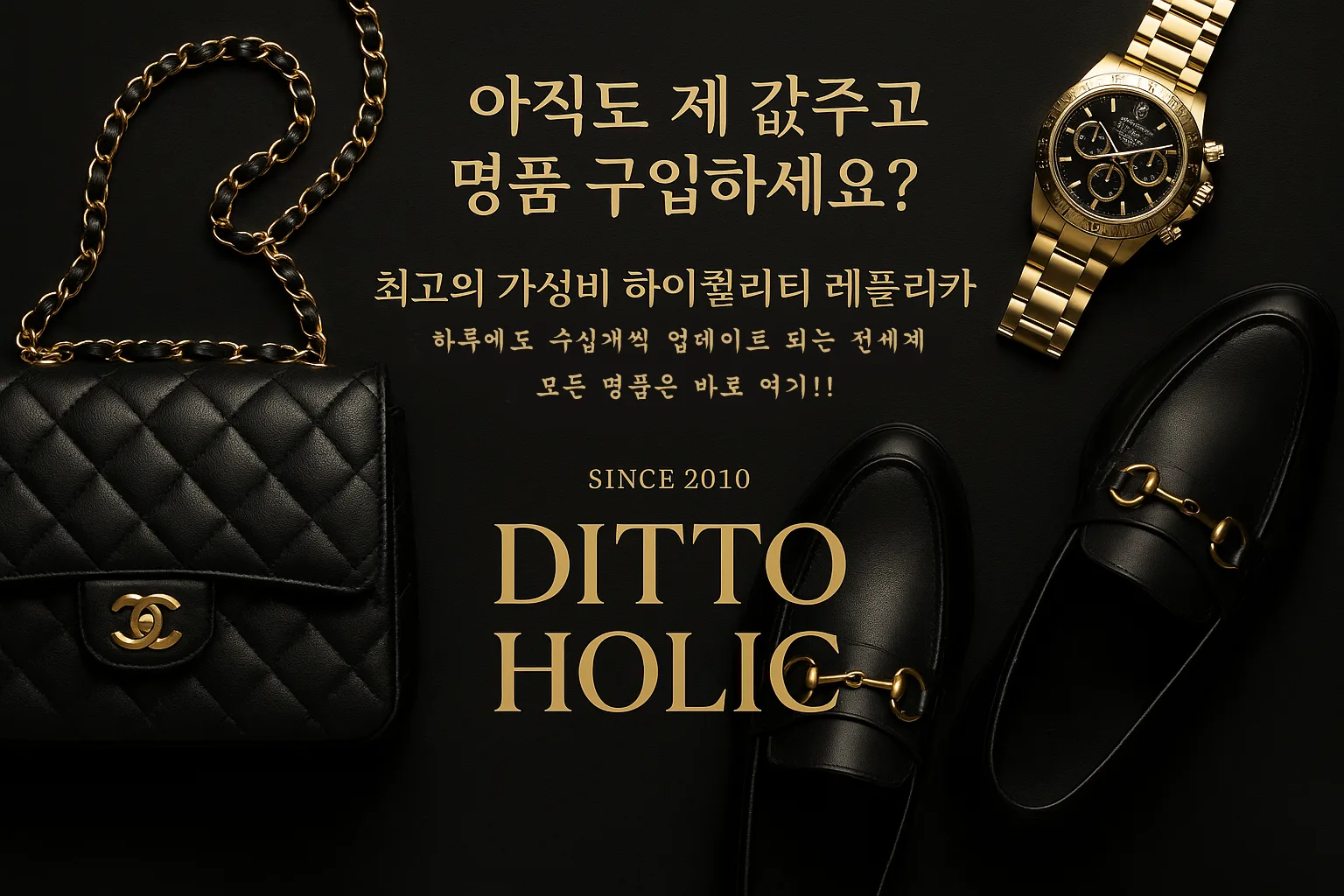
- Handbags and Purses: Quilted leather bags, structured totes, and chain-strap shoulder bags inspired by iconic fashion houses are among the most popular replica items globally.
- Watches: Timepieces that mirror the dial design, case shape, and bracelet style of prestigious Swiss watch brands attract collectors and casual buyers alike.
- Footwear and Accessories: Loafers, sneakers, belts, and wallets modeled after recognizable luxury silhouettes round out the most frequently purchased replica categories.
How Quality Varies: A Closer Look
Not all replica products are made equal, and understanding the differences helps set realistic expectations. The 레플리카 market is often tiered informally based on production methods, materials used, and the level of quality control applied during manufacturing. Entry-level pieces may use synthetic materials and simplified construction, while higher-grade versions invest in genuine leather, metal alloy hardware, and hand-finishing techniques that closely mirror the originals.
Comparison of Replica Quality Tiers
| Quality Tier | Materials | Finish Level | Typical Use Case |
|---|---|---|---|
| Entry Level | Synthetic fabrics, plastic hardware | Basic, visible inconsistencies | Short-term or casual use |
| Mid Grade | Mixed leather, zinc alloy hardware | Moderate, minor stitching gaps | Everyday fashion wear |
| High Grade | Genuine leather, brass hardware | Refined, close to original | Style-focused buyers |
What Buyers Typically Evaluate Before Purchasing
Shoppers who regularly browse replica markets tend to develop a checklist of considerations that guide their decisions. Beyond price, the most common factors include material authenticity, stitching consistency, hardware weight and color accuracy, lining quality, and how closely the overall proportions match the inspiration piece. Reviews from previous buyers and detailed product photography are also heavily relied upon when shopping online, since physical inspection is rarely possible in advance.
The Appeal of Replica Fashion in Everyday Life
For many people, the draw of replica fashion is not about deception but about accessibility. Luxury aesthetics have long been associated with status and identity, yet the price points of genuine designer goods place them out of reach for the vast majority of consumers. Replica items offer a middle ground — a way to engage with contemporary fashion trends and carry well-designed objects without committing to prices that can reach thousands of dollars per item. This practical reasoning is what sustains a global market that shows no signs of slowing down.
Making an Informed Choice
Whether you are exploring replica fashion out of curiosity or looking for a specific item, approaching the market with clear expectations is the most sensible strategy. Research the seller, ask for detailed photographs, understand the return policy, and know in advance which quality tier you are purchasing from. Replica goods can offer genuine satisfaction when selected thoughtfully, but disappointment tends to follow when buyers assume all products in this category deliver the same experience. Taking time to compare options and read honest assessments will almost always lead to a better outcome than impulse purchasing.